What students say actually makes schools safe
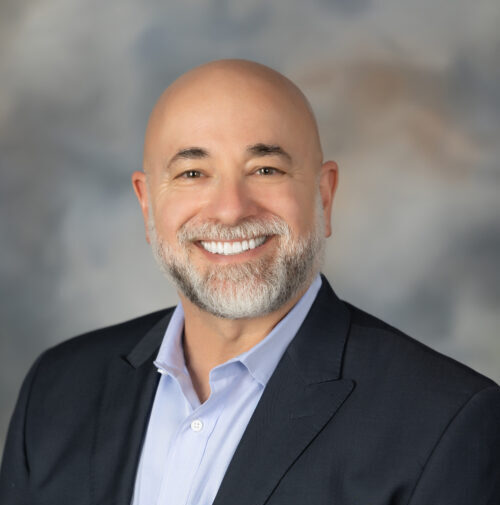
by Louis Ganzler PhD, Assistant Superintendent, Sonoma County Office of Education
Walk into a California school and you can see the first wave of modern school safety: single points of entry, visitor badges, cameras, vape sensors, and active-shooter drills. These measures matter. But they are not what students describe when asked what makes them feel safe.
There is another form of safety that is harder to see. It is built through relationships, trust, and belonging: the daily experiences that determine whether students feel connected, supported, and willing to seek help. Unlike physical security, it cannot be installed. It has to be cultivated.
In 2023, the Sonoma County Office of Education created the Department of School Culture and Partnerships after a fatal stabbing at a county high school. When we reviewed student and staff survey data from that school, measures of culture and connectedness were among the lowest in the county. Students and adults had reported that violence was imminent, while anonymous reporting routes were not being monitored.
Those findings pushed us to look more closely at belonging as a safety issue. Research links school belonging and connectedness with academic achievement, engagement, attendance, mental health, and reduced violence. Our own behavioral threat assessments also revealed a recurring pattern: students referred for assessment often described feeling disconnected from school, peers, and adults.
To understand what schools could do differently, we identified 11 Sonoma County schools that scored in the top tier on YouthTruth measures of belonging and safety. We interviewed 129 students and asked one question: What does this school do that makes you feel like you belong here?
Their answers rarely involved locks, badges, or cameras.
Students consistently described several conditions. They had sustained relationships with adults who knew them and checked in with them. They believed their voices could influence classrooms and school decisions. They saw their identities reflected in school life. They described peer cultures where kindness was expected and cruelty was challenged. And when something went wrong, they knew where to report it and trusted adults to respond.
Students were equally clear about what damaged belonging. Whole-class punishment felt unfair. Inconsistent discipline weakened trust. Bias and harassment became more damaging when adults failed to respond. Lunch, recess, and passing periods could become places of isolation for students without established connections.
One elementary student captured the importance of adult relationships simply: “My teacher makes sure to check in with me once in a while which makes me know that she sees me and cares about me.”
Schools will still need locks, cameras, threat assessment protocols, and emergency plans. But students consistently describe safety in relational terms: being known, protected, listened to, included, and treated fairly.
The first wave changed school buildings. The second changes what it feels like to be inside them. Students are telling us that the next wave of school safety may depend less on what we install in buildings and more on what we build between people.
__________________________________________________________________________________________________
Louis Ganzler holds a doctorate in Democratic Education from the University of Wisconsin, Madison. He was raised in Sonoma County and after a career as a teacher and site administrator, is now an assistant superintendent with the Sonoma County Office of Education where he runs the School Culture and Partnerships Division. He has been working with Community Matters for several years, collaborating to help increase the number of schools that house the Safe School Ambassadors program.